Whale Watching Season in Los Cabos: Best Spots and Tours for Visitors and Owners
Whale Watching Season in Los Cabos: Best Spots and Tours for Visitors and Owners
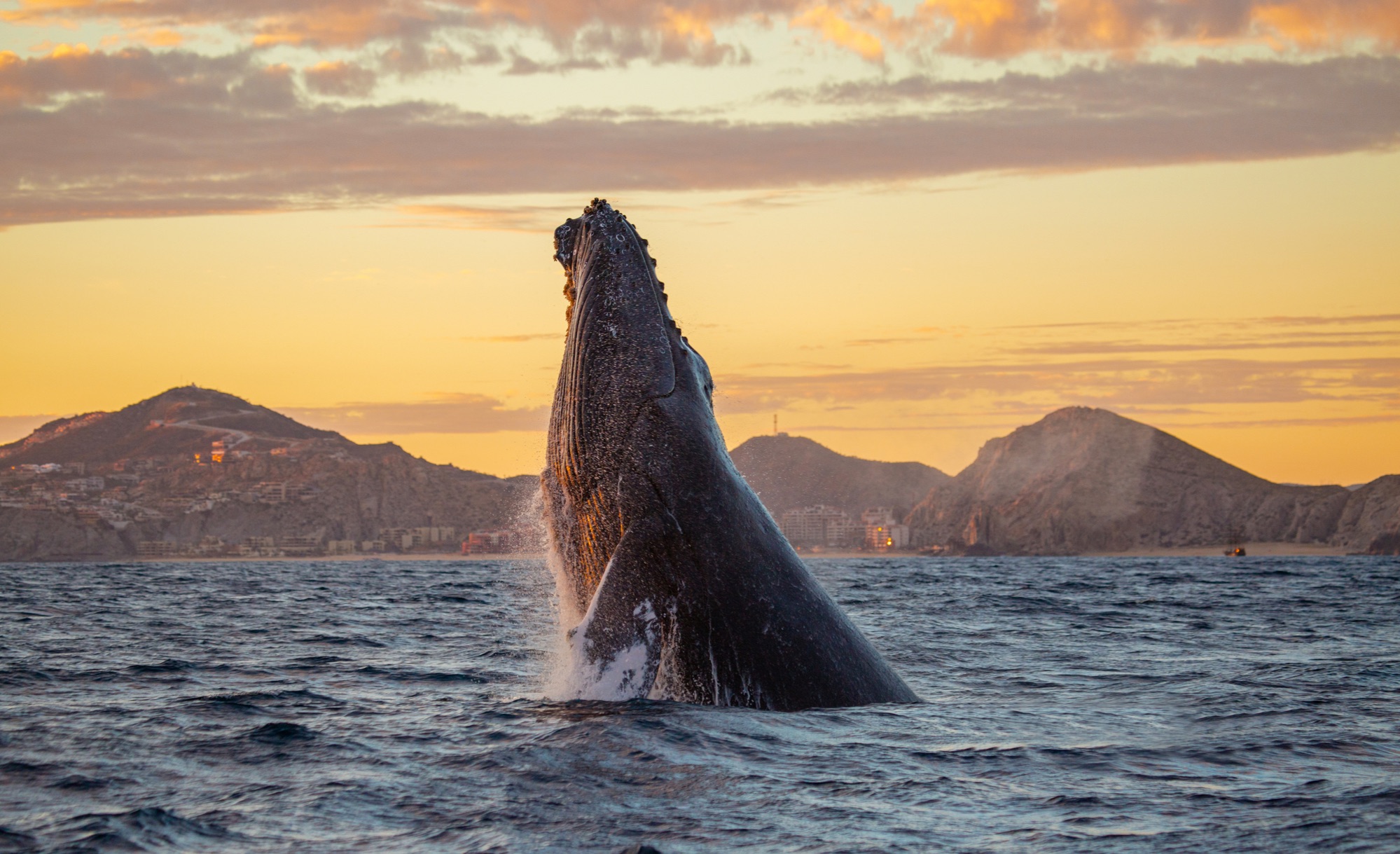
Every winter, thousands of whales arrive at the tip of the Baja Peninsula. Here is when the season runs, where to see them, how to choose a tour, and why watching whales from your own terrace is one of the great perks of owning in Los Cabos.
Each year, Los Cabos becomes one of the best places in North America to see whales. Migrating whales travel thousands of miles from colder northern waters to the warm, sheltered seas of Baja California to mate, give birth, and raise their young. For visitors, it is an unforgettable excursion. For homeowners with ocean views, it can be part of daily life from December through spring.
If you are planning a trip or thinking about buying a property with a view of the water, this guide covers what to expect and where to go.
When is whale watching season in Los Cabos?
The season generally runs from December through April, with peak activity usually between January and March. Timing varies from year to year depending on ocean conditions and migration patterns, so it is always worth confirming with tour operators close to your travel dates.
Humpback whales are the species most commonly seen from the southern tip of the peninsula, and they are known for dramatic behavior such as breaching, tail slaps, and pectoral fin waves.
Why do whales come to Los Cabos?
The warm, calm waters around the southern tip of Baja provide ideal conditions for calving and nursing. Mothers and calves are often seen close to shore, and adult whales gather to mate. The mix of the Pacific Ocean and the Sea of Cortez at the tip of the peninsula means the area attracts a rich variety of marine life throughout the year.
What are the best places to see whales in Los Cabos?
Whales can be seen from several areas, each with a different experience.
Cabo San Lucas Bay and Land’s End
Tours departing from the Cabo San Lucas marina travel past El Arco and Land’s End, where whales are often spotted in the waters beyond the rock formations. This is the most popular departure point and offers a classic, scenic outing.
The Corridor
The stretch between Cabo San Lucas and San José del Cabo is a good place for shore-based spotting from beaches, resorts, and elevated homes with ocean views. Early morning and late afternoon are often best.
San José del Cabo and the East Cape
Quieter coastlines and fewer boats can make for a more relaxed experience, with whales visible from the coast and from smaller-group tours.
Pacific Side and Magdalena Bay
For a more specialized trip, travelers sometimes head north on the Pacific side. Magdalena Bay, a few hours away, is known for gray whale encounters during the winter. This is typically a longer excursion that requires advance planning.
What types of whale watching tours are available?
Tours range from casual group outings to private charters:
- Group boat tours: Typically the most affordable option, with set departure times from the marina.
- Small-group tours: Fewer passengers and a more personal experience.
- Private charters: A yacht or boat reserved for your group, with flexible timing and a tailored experience.
- Sailing and catamaran tours: A quieter, more scenic way to be on the water.
- Combination tours: Whale watching paired with snorkeling, lunch, or a sunset cruise.
Boat availability, schedules, and pricing change by season and operator, so book ahead during peak months.
How do you choose a responsible whale watching operator?
Whale watching should protect the animals as well as delight the visitors. Look for operators who:
- Are licensed and follow local regulations
- Maintain a respectful distance and avoid chasing or crowding whales
- Use experienced captains and naturalist guides
- Limit the number of boats and time spent near a single animal
- Provide safety equipment and clear instructions
Choosing a responsible operator helps preserve the experience for future seasons.
What should visitors bring and expect?
- Sun protection: Hat, sunglasses, and reef-safe sunscreen.
- Layers: Mornings on the water can be cooler than expected.
- Motion comfort: Ocean conditions vary, so consider seasickness precautions if you are sensitive.
- Camera or binoculars: A zoom lens and patience make the difference.
- Water and snacks: Confirm what the tour provides.
- Flexibility: Wildlife is never guaranteed, but sightings are common during the season.
Can you see whales from a home in Los Cabos?
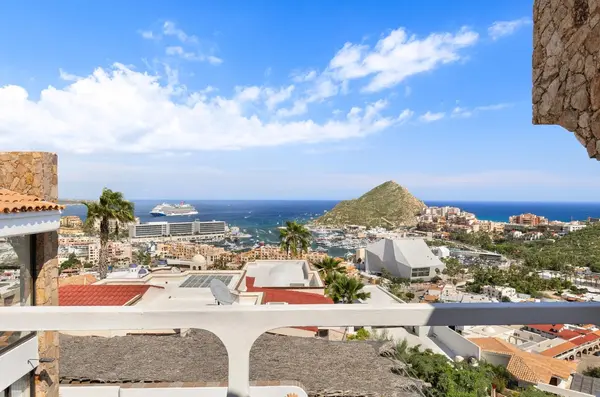
Yes, and this is one of the lesser-known lifestyle benefits of owning an ocean-view property. During the season, residents with elevated terraces or direct ocean views often spot whales from home, sometimes while having breakfast or an evening drink. Binoculars and a comfortable outdoor lounge turn the terrace into a front-row seat.
This is also a reminder of how valuable a protected, unobstructed ocean view can be. Properties with wide horizons and elevated positions tend to offer the best vantage points.
How does whale season fit into the Los Cabos real estate calendar?
Whale season coincides with the high season for travel and for seasonal residents, which makes winter a popular time for buyers to visit, tour homes, and experience the region at its best. Many buyers schedule property visits between January and March so they can pair a viewing with a whale watching outing and see how a home performs in peak season.
Who will enjoy whale season most?
The Visiting Family
Whale watching is an excursion that works for all ages and creates lasting memories.
The Seasonal Resident
Snowbirds who arrive for winter get the best of the season right from their terrace.
What species of whales can you see?
Humpback whales are the most commonly seen near the southern tip of Baja. Gray whales are typically seen farther north on the Pacific side, such as Magdalena Bay.
Can I see whales from the beach or my hotel?
Often yes, especially from elevated or oceanfront positions. Bring binoculars and watch in the early morning or late afternoon.
Are whale watching tours safe?
Reputable, licensed operators follow safety and wildlife protection guidelines. Choose carefully and follow crew instructions.
Should I book in advance?
Yes, particularly during peak months and for private charters.
Is whale watching suitable for children?
Generally yes, but check age and safety policies with your operator and consider ocean conditions.
Is whale season a good time to look at real estate?
Many buyers think so. The region is lively, the weather is comfortable, and you can see how a property feels during the high season.
Plan Your Whale Season Visit with Outliance Real Estate
If you are planning a winter trip to Los Cabos, consider pairing your whale watching outing with a property tour. To explore homes with the best ocean views, schedule a visit, or learn how seasonal living works, contact the Outliance Real Estate team directly. Jesus Valenzuela and Gaby Lopez are available to answer questions and help you plan your visit.
From Palmilla’s oceanfront villas to homes in Querencia, Pedregal, Cabo del Sol and Puerto Los Cabos. Outliance Real Estate unlocks top-tier access to the most prestigious addresses in Los Cabos. Recognized by HGTV’s House Hunters International and Forbes México, founders Jesus Valenzuela and Gaby López are known for delivering a best-in-class luxury experience. Whether you’re purchasing a dream home or a high-performing investment, trust the top experts in Baja real estate.
Categories
Recent Posts







GET MORE INFORMATION