The Future of Cabo (2025–2030): Roads, Water, Airports & Emerging Developments
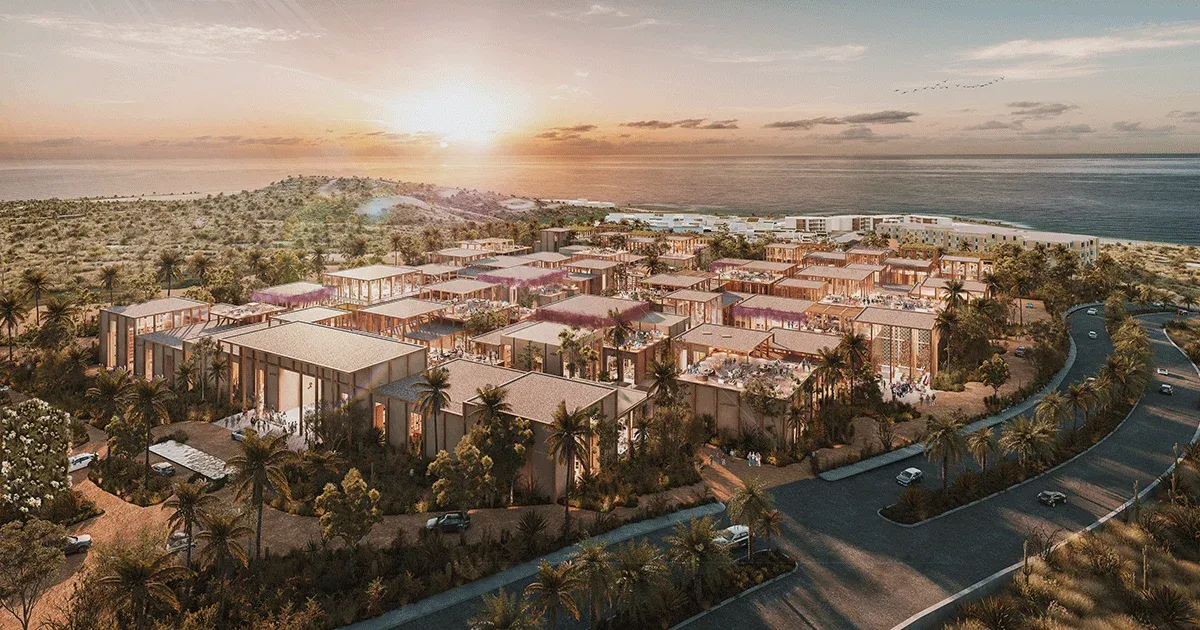
As Los Cabos evolves into one of the most strategically positioned luxury markets in the hemisphere, the years 2025 through 2030 are set to be transformative. From road expansions and desalination breakthroughs to airport master plans and hospital investments, the region is undergoing a multi-sector infrastructure boom. Understanding these projects is crucial for anyone buying, developing, or living in Baja California Sur.
Road Expansions: Mobility Meets Growth
Major investments are underway to upgrade mobility across Cabo:
- The Glorieta Fonatur traffic hub is undergoing a significant overhaul to improve airport access and circulation around San José del Cabo as of December 2025 it is 59.6% completed.
- Additional funding is earmarked for paving secondary roads, improving safety, and enhancing connections between emerging communities.
- Upgrades to the Cabo Corridor (Highway 1) and the development of alternative routes are being carried out to ease congestion as the population continues to grow. This work began in the summer of 2025, starting with the section from the Cabo San Lucas stoplight all the way to Punta Ballena, where they began full resurfacing of the road).
Water & Desalination: A New Era of Supply
Water scarcity has long shaped Cabo’s development capacity. Now, a public–private desalination project in Cabo San Lucas is set to produce 250 liters per second of potable water by 2026. Private developers are also building their own desalination plants to ensure supply for luxury communities and resorts.
Airport Expansion: The Gateway to Cabo’s Future
Grupo Aeroportuario del Pacífico (GAP) is investing over 7 billion pesos to modernize Los Cabos International Airport through 2029:
- Expansion of Terminal 2 for higher passenger flow
- New aircraft gates and runways planned
- Upgraded immigration, baggage handling, and access roads
- Reserved land for a future second runway
This scale of investment elevates Cabo’s global profile and supports expanded tourism, investment, and high-frequency travel.
Healthcare: Major Public and Private Expansions
In 2025, the federal government began construction of a new 260-bed IMSS Regional General Hospital in Los Cabos, expected to serve 500,000+ residents. It will include advanced diagnostics, surgical units, and specialty services across cardiology, oncology, and internal medicine.
In addition, the Centro de Rehabilitación Infantil Teletón (CRIT) officially opened its Los Cabos location in 2025, providing pediatric rehabilitation and support services for children with disabilities—a milestone in social healthcare access.
On the private sector side, Christus Muguerza Los Cabos has begun construction on a state-of-the-art private hospital, aimed at serving the growing expatriate population and premium residential market. The facility is expected to include surgical theaters, intensive care units, maternity services, and high-end patient accommodations.
Improved healthcare infrastructure will drive both residency demand and the appeal of Los Cabos as a long-term living destination.
Upcoming Developments: Resorts, Communities & Infrastructure
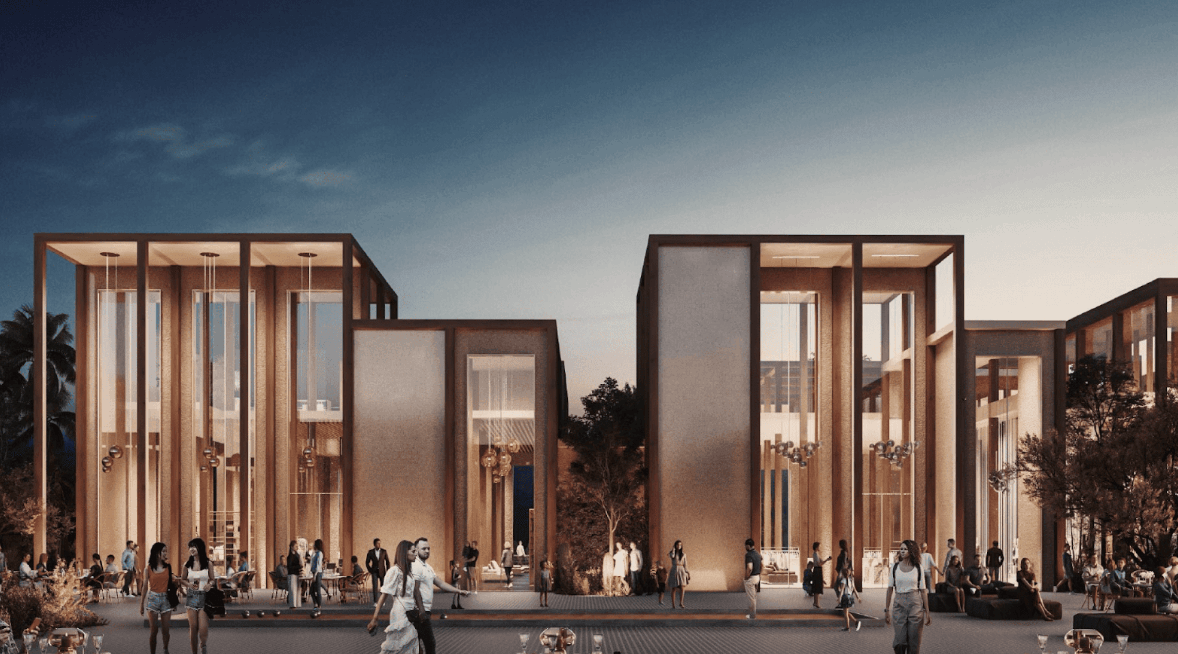
- Since the summer of 2025, the municipality has been working on updating the El Tezal Partial Urban Development Plan (PDU), a key instrument that seeks to bring order to an area currently experiencing uncontrolled expansion. This plan aims to define clear rules, address service deficiencies, and establish a structure that will allow El Tezal to grow sustainably and functionally in the coming years.
- New luxury master-planned communities are emerging in East Cape, and Pacific Corridor
Strategic alignment between developers and infrastructure policy is creating a more cohesive urban fabric.
What to Watch: Risks and Considerations
Not all projects move at the same pace. Monitor these variables:
- Permit delays or legal disputes can affect timelines
- Hurricanes may impact road and water infrastructure during construction
- Equity concerns remain: infrastructure may favor tourist zones over local communities
- Water governance and sustainability must evolve in tandem with growth
Buyers should remain informed and prioritize developments with proven delivery, infrastructure access, and legal transparency.
Conclusion: Infrastructure as a Strategic Indicator
From roads and water to hospitals and airports, the next five years in Los Cabos will reshape where and how people live, invest, and visit. Understanding this evolution is more than news—it’s a strategic advantage. Those who align real estate decisions with infrastructure trajectories will benefit most.
Categories
Recent Posts




GET MORE INFORMATION