Cabo Infrastructure Explained: What Every Property Owner Should Know
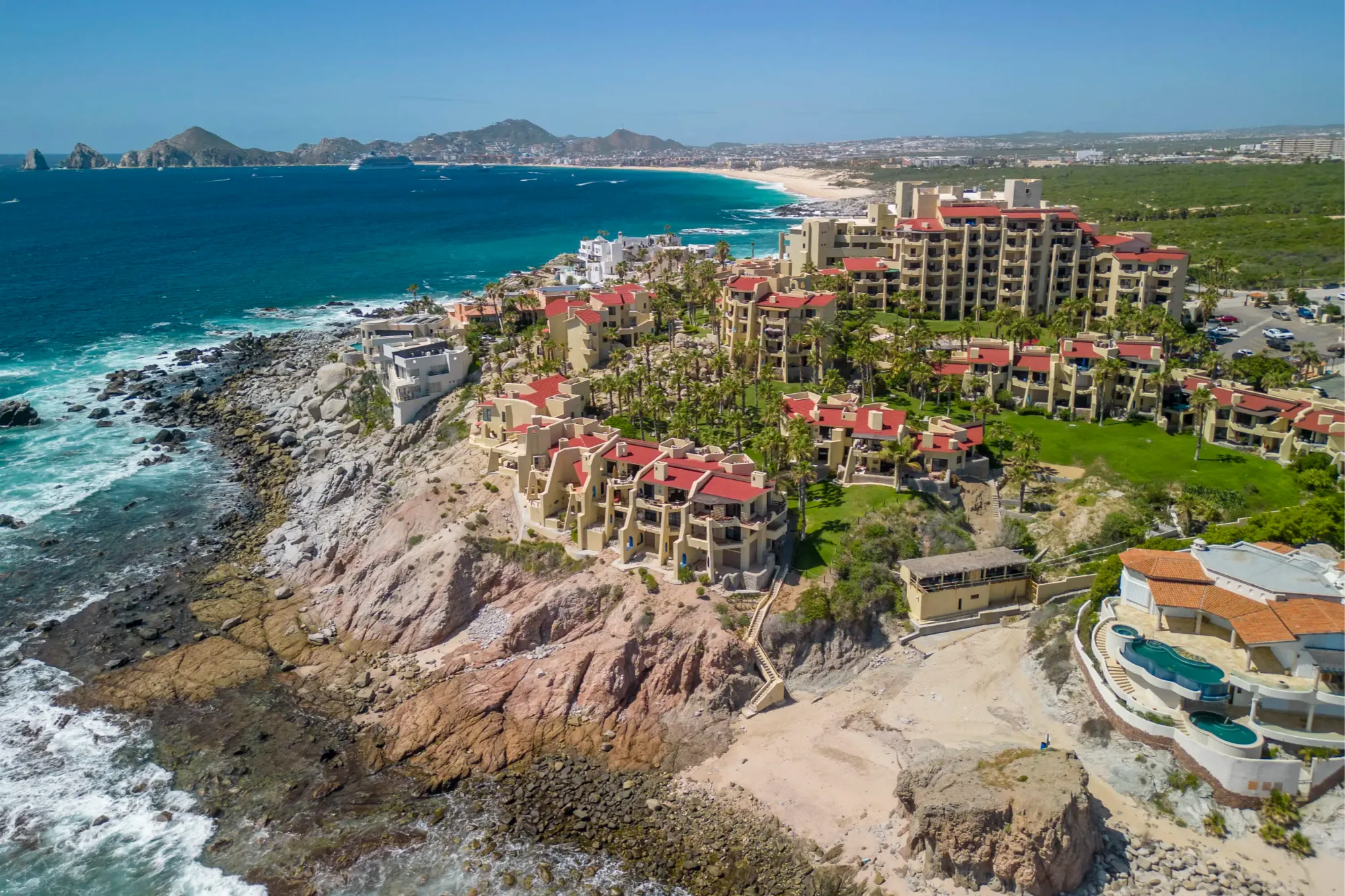
Cabo Infrastructure Explained: What Every Property Owner Should Know
Understanding the infrastructure in Los Cabos is not just about utilities and roads—it’s about ensuring security, functionality, and long-term value in one of Mexico’s most dynamic regions. Whether you're considering an investment property, a vacation home, or a full-time residence, your awareness of water systems, power grids, healthcare, and storm resilience becomes essential.
Electricity: Growing Capacity Amid Rising Demand
Historically, Los Cabos depended on power transmitted from La Paz. But with rapid tourism growth and luxury development, energy demand has surged. The national utility (CFE) is addressing this by constructing a local combined-cycle power plant in Cabo San Lucas to ensure more stable, locally generated electricity. This will reduce outages and improve resilience during peak seasons or storms.
Water & Desalination: Solving Scarcity in the Desert
Los Cabos faces significant water challenges due to its desert climate and limited rainfall. Groundwater has long been the primary source, but growing demand led to the development of a large-scale desalination plant. This project, expected to provide up to 250 liters per second, is a cornerstone in securing future water supply. However, many homes still rely on cisterns and water trucks, especially in areas outside premium developments.
Roads: Access, Expansion & Connectivity
Upgrades to the Cabo Corridor (Highway 1) and the development of alternative routes are being carried out to ease congestion as the population continues to grow. This work began in the summer of 2025, starting with the section from the Cabo San Lucas stoplight all the way to Punta Ballena, where they began full resurfacing of the road). The Glorieta Fonatur traffic hub is undergoing a significant overhaul to improve airport access and circulation around San José del Cabo as of December 2025 it is 59.6% completed.
Hospitals: Healthcare Infrastructure Is Expanding
Healthcare access is critical for families, retirees, and expats. A major new public hospital under IMSS is under construction in San José del Cabo, designed to serve over 500,000 residents with 260 beds and advanced diagnostic capabilities. Until then, private hospitals and clinics remain the primary option, particularly in tourist zones.
Hurricanes: Infrastructure Resilience is Key
Cabo's location exposes it to Pacific hurricanes, as seen with Odile in 2014. Power outages, water cuts, and infrastructure damage are real risks. Therefore, homes must be built or upgraded with hurricane-resistant materials, proper drainage systems, cisterns, and backup generators. Choosing a neighborhood with a strong track record of recovery and municipal support is vital.
Internet Providers: Connectivity in an Evolving Market
Reliable internet is increasingly essential. Most urban areas and premium developments offer fiber-optic or stable broadband, especially within gated communities. However, remote or developing regions may still rely on satellite or mobile service. Confirm infrastructure readiness before committing, especially if working remotely or hosting guests.
Conclusion: Infrastructure is Investment
Beyond luxury and lifestyle, infrastructure is the backbone of livability and long-term value in Los Cabos. When you understand how water, power, healthcare, roads, and storm systems function—and where they fall short—you gain a clear advantage as a buyer, resident, or investor.
Categories
Recent Posts






GET MORE INFORMATION